Most soap sold in Indian stores is manufactured the same way: heated, mixed, poured, cut, and packaged — often within a single afternoon. Cold-process soap, by comparison, takes roughly 6 weeks from start to finish. This isn't a marketing gimmick. It's a genuinely different manufacturing method that changes what actually ends up in the finished bar.
How Regular (Melt-and-Pour or Hot-Process) Soap Is Made
Mass-market soap manufacturing typically uses added heat to speed up saponification — the chemical reaction where oils and fats combine with an alkali to form soap. Heating this reaction dramatically shortens production time, allowing manufacturers to produce huge batches quickly and cheaply. The trade-off is that high heat can degrade some of the beneficial natural properties of the oils and botanical ingredients used in the formula.
How Cold-Process Soap Is Made
Cold-process soap-making skips added heat almost entirely. Ingredients are mixed at or near room temperature, poured by hand into molds, and then left to cure undisturbed for approximately 6 weeks. During this extended curing period, excess water evaporates out of the bar, the soap hardens properly, and the natural glycerin created during saponification stays intact within the bar.
Why This Difference Actually Matters to Your Skin
Better Glycerin Retention — Cold-process soap naturally retains significantly more glycerin, a humectant that draws moisture into skin, resulting in better hydration and less post-wash dryness.
Gentler Overall Formula — Without high heat altering ingredient structures, cold-process soap tends to be milder on skin and less likely to strip away the skin's natural protective oil barrier.
Ingredient Integrity — Heat-sensitive natural ingredients hold up far better when processed cold and slow rather than heated and rushed.
The Real Trade-Off
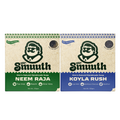
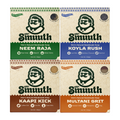
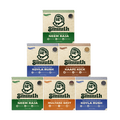
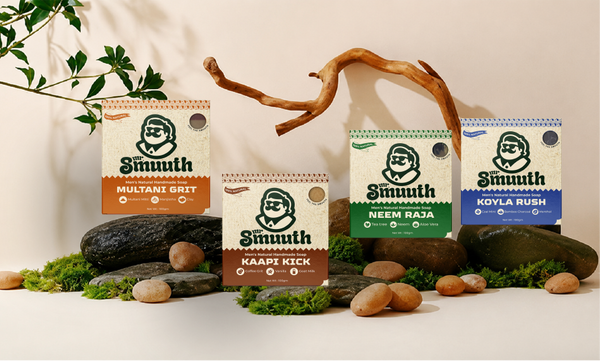
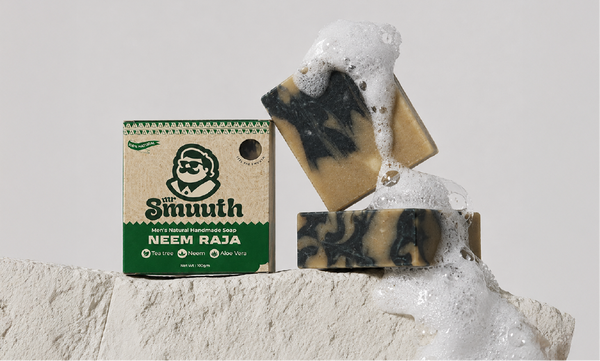
Cold-process soap is genuinely more expensive to produce. It requires significantly more time, dedicated curing storage space, and more hands-on manual labor. This is precisely why most large, mass-market soap brands avoid it entirely. Every Mr. Smuuth bar is cold-processed and cured for a full 6 weeks.
Frequently Asked Questions
Does cold-process soap last longer than regular soap? Generally, yes — the curing process results in a harder bar that dissolves more slowly in the shower.
Is cold-process soap suitable for sensitive skin? Often it's actually a better option, since cold-process soap tends to be milder and free of the harsh detergents commonly found in mass-market bars.